Online dating is a racket. The endless swiping, texting, miscommunication, ghosting… it’s all so fraught with vulnerability, uncertainty, and rejection. And yet, so many of us persist.
This article isn’t about online dating, though. It’s about how people choose to interpret the world around them, and how those choices can tangibly alter their future. Online dating is just a great example of that.
So many aspects of online dating (and dating in general) are open to interpretation. For example:
- “Why haven’t they responded to my message?”
- “Why did they include THAT photo on their profile?”
- “Am I making a good impression?”
- “How do I interpret that vague text?”
- “How many other people are they talking to right now?”
When you ask yourself these questions, there is typically no immediate, clear answer to satisfy your anxiety. So how do you resolve that?
You tell yourself a story. You make assumptions about your date, and yourself, and create a plausible interpretation of what happened, and why. That way, you can soothe your uncertainty and move on with your day. But the assumptions you make, and ultimately the kind of stories you tell yourself, can end up having huge consequences on the person you become and the direction your life takes thereafter.
Pessimism and optimism are a choice

One of the most frustrating things about being alive is that you have little control over most of the things that happen to you – and even less control over big, global events that happen in the world. But what you DO have control over is how you choose to interpret those events, and the people involved.
For this article, we’ll focus on two broad philosophies for interpreting the world – pessimism and optimism. Here are their textbook definitions:
- Pessimism: an inclination to emphasize adverse aspects, conditions, and possibilities or to expect the worst possible outcome
- Optimism: an inclination to put the most favorable construction upon actions and events or to anticipate the best possible outcome
To illustrate each one, let’s take an example from online dating. Suppose your date has ghosted you. (For the older generation, that means they have abruptly ended all communication with you without explanation). Why did they do it?
A pessimist might assume it’s because your date found you boring or unattractive and never wants to speak to you again. An optimist might assume it’s because your date became depressed and couldn’t handle the prospect of rejection. Both offer a plausible answer to your anxiety, but which interpretation is correct?
For an even broader example, suppose your preferred politician has just lost their election. Why did that happen?
A pessimist might assume they lost because the voters are brainwashed fools, and that the country is doomed to fail with the opposing candidate in power. An optimist might assume their opponent connected better with voters and more effectively argued their positions, and that if they do poorly in office they will be voted out next cycle.
The reality is, in both of these examples, either assumption could be the truth – or neither. It’s impossible to know in the moment, or even ever. All you have to console you is the story you choose to tell yourself.
Both are manifestations of faith

Pessimism and optimism are not science-based worldviews, despite how much their respective proponents may try to convince you otherwise. Instead, they are faith-based ones.
Sure, pessimists and optimists will hurl statistics and historical precedents at each other all day to create the illusion of a fact-based consensus supporting their view. However, such arguments inevitably fall short of achieving that consensus. Why? Because science measures objective things, and both pessimism and optimism are trying to prove something that is arguably subjective: faith in humanity.
At the core of pessimism is the faith that humanity is inherently evil, and ultimately beholden to its worst impulses.
Similarly, at the core of optimism is the faith that humanity is inherently good, and is destined to overcome any problem through effort and solidarity.
And since it’s impossible to definitively prove or disprove either statement, it is entirely up to you to choose one over the other. That simple choice, whether or not to have faith in humanity, is crucial to your overall happiness and well-being. It will shape the thoughts you have, which in turn shapes your actions, habits, character, and ultimately the course of your life.
As a result, choosing a pessimistic view of humanity can result in a life that is tangibly more miserable, while choosing an optimistic view of humanity can result in a life that is tangibly more joyful. To me, that choice is clear.
Be careful of your thoughts, for your thoughts become your words.
Be careful of your words, for your words become your actions.
Be careful of your actions, for your actions become your habits.
Be careful of your habits, for your habits become your character.
Be careful of your character, for your character becomes your destiny.
— Chinese proverb, author unknown
Optimism is not ignorance
A common criticism of optimists is that they’re willfully ignorant. That they stick their heads in the sand whenever something bad happens and distract themselves with frivolous positivity.
And undoubtedly, people do that all the time. I’m certainly guilty of it. I can’t count the number of times I’ve wrapped myself in a blanket and binged “wholesome compilations” on YouTube to avoid bad news or conflict. But that’s not a consequence of optimism, that’s just a fight or flight response to stress.
Optimism is about how you process the event for the long term. It isn’t about ignoring or avoiding the bad things that happen in your life, it’s about acknowledging those bad things, yet believing you will prevail in spite of them. Optimists don’t truly see the world through rose-colored glasses, as the saying goes. Rather, in a sense, they only see rose-colored people.

In the modern age, optimism also requires seeking a balanced perspective of the world. That means understanding you live in a time of 24/7 news cycles and social media feeds that are entirely biased towards the negative, and using critical thinking to deduce what is important and which burdens/worries are reasonable and healthy to take on (and which you should discard).
Pessimism is not pragmatism
Defenders of pessimistic ideology often argue they are simply being pragmatic – that they are objectively observing what is happening in their lives or the world and making reasonable conclusions based on the facts. However, pragmatism is not just for pessimists. Optimists can be pragmatic too.
To use dating as an example again, a pessimist might go on three separate dates that don’t work out. While on those dates they observe there is little chemistry between them and their dates, who seem uninterested. The pessimist may conclude they are not interesting or charismatic enough to be worthy of a partner, and should therefore give up on dating. An optimist might go on the same three failed dates and conclude that they are dating the wrong type of person, or that they need to work on themselves, and should therefore strive to make a change.
Both thought processes are “pragmatic” in that they observe the facts and make reasonable, actionable conclusions. And yet, they have completely different outcomes. That’s because pragmatism is separate from the pessimism-optimism dynamic.
Yet, why is it that in our modern world, pessimists often seem more correct in claiming their objective pragmatism? A major factor is the media we consume and the technology that drives it:
- Our media is biased towards the negative – News and social media algorithms, which we consume ever-more of, skew our observations of the world overwhelmingly towards the negative. As a result, our worldview and belief systems become irrationally negative because we are working with a biased data set.
- Pessimists are louder, and talk more – Misery loves company, and as a result pessimists complain loudly and often on the internet and in real life. Optimists are usually more content with themselves and their group of peers, and don’t feel as much need to espouse their opinions publicly, leading to an under representation in public discourse.
The truth is, our brains are wired to seek out danger and worry about things we can’t control. Our technology, increasingly, is designed to hijack that wiring for money. Don’t let that unbalanced dynamic shake your faith in humanity and convince you that pessimism is simply practical thinking.
A self-fulfilling prophecy
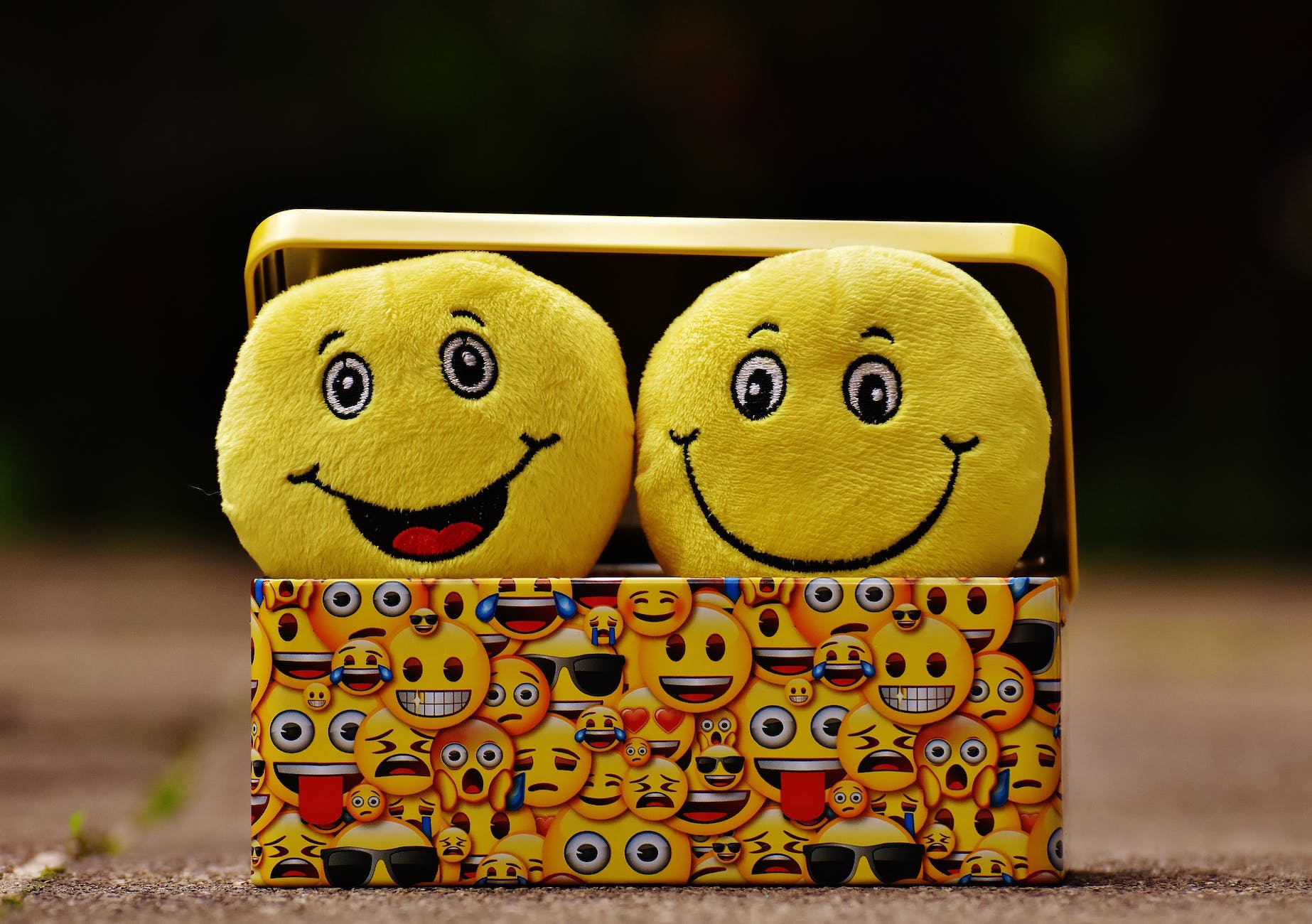
All this is to say that no matter what events transpire in your life, you have immense power in determining how they will affect your future.
If you choose to believe in a world where humanity is evil, where hope is futile and misery inevitable, your life will constantly skew towards that futility and misery. If you choose to believe in a world where humanity is good, where the future is kind and hopeful, your life will inevitably skew towards that kindness and hope.
In that sense, pessimism and optimism are self-fulfilling prophecies.
Your beliefs will, ultimately and likely, not change the reality of the world at large. They can, however, absolutely transform your small corner of it. The energy you exude is infectious and will spread to everyone around you – family, friends, acquaintances, and strangers. The impact of that can change lives beyond just your own.
Whether or not that impact is positive or negative is for you to choose.

 The Scruffy Traveler